|
|
|
Keynote Speakers2026 Robert L'Hermite Medalist Claire White, Princeton University, United States of America Keynote Speakers
Plenary Keynotes Surendra Shah, Northwestern University, United States of America Daniel Franks, University of Queensland, Australia Robert Flatt and Mareike Thiedeitz, ETH Zürich, Switzerland Kolawole Adisa Olonade, University of Lagos, Nigeria Gabriele Tebaldi, University of Parma, Italy More to be communicated Session Keynotes Karen Scrivener, EPFL, Switzerland Mark Alexander, University of Cape Town, South Africa Daman Panesar, University of Toronto, Canada Xiang-Lin Gu, Tongji University, People's Republic of China Kamal H. Khayat, Missouri S&T, United States of America Enrico Sassoni, University of Bologna, Italy Su Taylor, Queen’s University Belfast, United Kingdom Eshan Dave, University of New Hampshire, United States of America Mohammed Sonebi, Queen's University Belfast, United Kingdom Alice Titus Bakera, University of Dar es Salaam, Tanzania Hisham Hafez, University of Leeds, United Kingdom Sofiane Amziane, Université Clermont Auvergne, France William Wilson, Université de Sherbrooke, Canada John Kolawole, University of Birmingham, United Kingdom Janina Kanjee, University of the Witwatersrand, South Africa Laura Silvestro, Federal University of Technology Paraná, Brazil Chao Jiang, Tongji University, People's Republic of China Viktor Mechtcherine, TU Dresden, Germany Kabibi Kamashanju, Bundesanstalt für Materialforschung und -prüfung, Germany Simone Stürwald, Ostschweizer Fachhochschule, Switzerland Winnie Ntinyari, Meru University of Science and Technology, Kenya Arezou Baba Ahmadi, Chalmers University of Technology, Sweden More to be communicated Awardee Keynotes Ravindra Gettu, IIT Madras, India Joanitta Ndawulaa, Angela Tetteh Tawiahb, Areej Gamieldiena aUniversity of Cape Town, South Africa About the Keynotes and Speakers
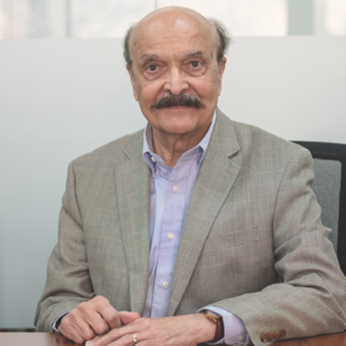
Ignorance, Inquiry and Innovation driven cutting-edge research in cement and concreteProf. Surendra P. Shah Over the past two centuries, cement-based materials have continuously evolved, with major technological advances such as reinforced concrete, supplementary cementitious materials, and chemical admixtures significantly improving performance, workability, and sustainability. In recent years, the field has entered a new phase driven by green and low-carbon principles, integrating emerging technologies such as nanotechnology, additive manufacturing, and artificial intelligence to impart new functionalities and meet the demands of high-performance infrastructure. This progress reflects an ongoing process of scientific inquiry and innovation that continues to shape the future development of concrete technology. CV Dr. Surendra Shah is distinguished for his seminal research on synthesizing engineering mechanics and material science. Professor Shah has made unique, original and extensive contributions to better understand and define properties of cement-based materials and developing new advanced materials which has become a world standard in these fields. He is responsible for developing high performance concrete, fiber reinforced concrete, self-consolidating concrete, shrinkage reducing admixtures, carbon nano-tube reinforced cement-based composites and extrusion processing of concrete. These have revolutionized the way modern concretes are used worldwide. Dr. Shah has been recognized with many awards and honors, notably he is a member of the National Academy of Inventors, National Academy of Engineering, Academy of Athens, Chinese Academy of Engineering, Indian Academy of Engineering, German Academy of Science and Engineering, and the Russian Academy of Engineering. Dr. Shah is currently the Director of the Center for Advanced Construction Materials and Presidential Distinguished Professor at the University of Texas at Arlington. He is Walter P Murphy Emeritus Professor at Northwestern University, where he was the director of pioneering NSF funded Science and technology Centre on Advanced Cement based Materials. 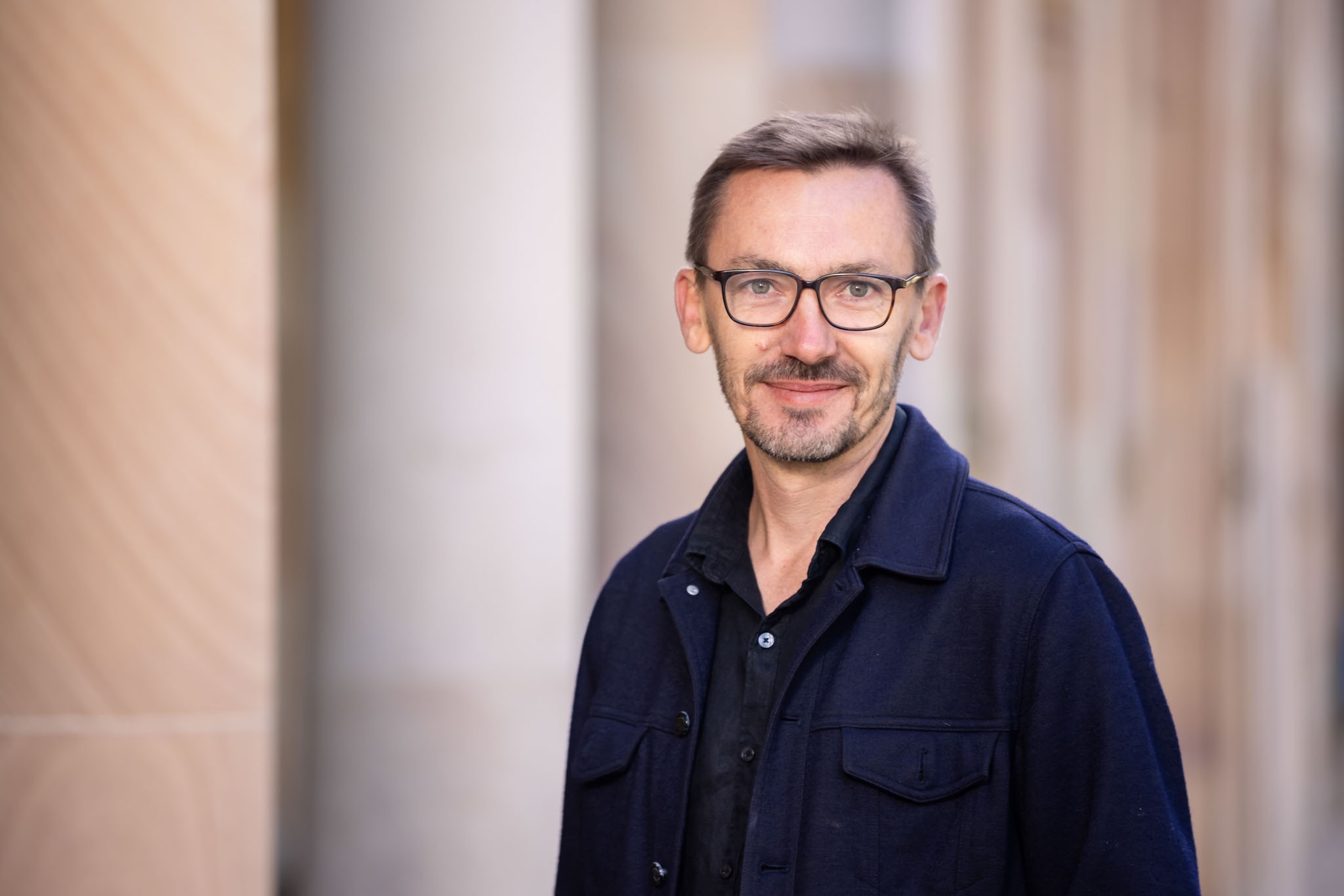
Human settlements and the mineral limits to sustainabilityProf. Daniel Franks Over millennia, human settlements mirrored geology. Bricks emerged where there was clay, masons learned to craft where there was stone, and the alchemy of mortars and concretes was intuited where limestone and volcanic pozzolan were available, producing endemic construction from the minerals at hand. The industrial era disrupted this relationship, as ordinary Portland cement and standardised construction systems decoupled building from local mineral endowments and the skills that emerged around them, enabling unprecedented scalability while embedding high energy use, exceptional demand for sand, and greenhouse gas emissions into shelter and infrastructure. Today, climate constraints, transport emissions, affordability and supply-chain fragility are forcing a partial return to endemic mineral systems through blended cements, calcined clays, fly ash, biogenic mineral ash, brick-making and stone paving, but this return sits uneasily within a sustainability discourse shaped by biological metaphors of renewability and regeneration. Durable minerals, categorised as inherently unsustainable are targeted for substitution. This keynote asks: how should we account for the geological foundations of human settlement in sustainability thinking, when sustainability itself is built on the biological metaphor of a living system? CV Professor Daniel Franks is Director of the Global Centre for Mineral Security at the University of Queensland’s Sustainable Minerals Institute and is an Australian Research Council Future Fellow. Professor Franks is known internationally for his work on the interconnections between minerals, materials and sustainable development, with a particular focus on the role of minerals in poverty reduction. He introduced key concepts in development studies including ‘mineral poverty’, ‘mineral security,’ and ‘development minerals;’ and has worked with public and private sector partners to implement breakthrough sustainability innovations, such as OreSand to drastically reduce mine waste, and ‘social impact management plans,’ a regulatory tool now adopted throughout the world. He is the author of more than 160 publications, including 40 publications for the United Nations. His research has appeared in journals such as Nature, Nature Sustainability and the Proceedings of the National Academy of Sciences, and is available in 11 languages. He has field experience at more than 100 mining and energy sites and 40 countries. Grass-root additives and the flow loss of blended cementsFlow retention is a challenge for many blended cements, particulary those based on calcined or pyrolyzed waste materials. This talk, shared with Dr. Mareike Thiedeitz, begins by examining those alternative additives, their beneficial utilization scenarios and the rheological challenges they pose. It then moves on to introducing recent advances in the more general understanding of the problem of flow loss in blended cements. 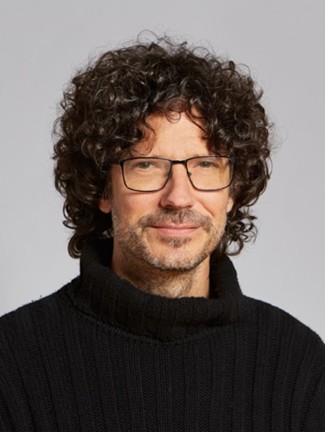
Prof. Robert Flatt Robert J. Flatt is Professor for Physical Chemistry of Building Materials at ETH Zürich since 2010. His main research topic is the working mechanisms of chemical admixtures, in particular for reducing the environmental footprint of concrete. This feeds into research on digital fabrication with concrete, which is developed within the Swiss National Competence Centre on Digital Fabrication in Architecture. Another topic of central interest for him is material science for the preservation of stone in built cultural heritage. On this front his group is advancing Heritage++, a spatial computing platform facilitating interdisciplinary exchanges and spatial contextualizing of data, in particular for stone deterioration.
Dr. Mareike Thiedeitz Mareike Thiedeitz is Postdoctoral researcher in the group of Sustainable Construction at ETH Zürich since 2024. Based in the fundamental research of the rheology of cementitious building materials, she currently focuses on the valorization of organic waste resources, emphasizing their application in emerging economies. Her research, which is granted with an ETH Postdoctoral Fellowship, combines simple field technics and state-of-the-art data-driven approaches for robust performance prediction. Collaborating with international partners, socio-technical systems assessment shall support a shift from capital-intensive material dependencies to practical, decentralized methods, empowering local resource management. 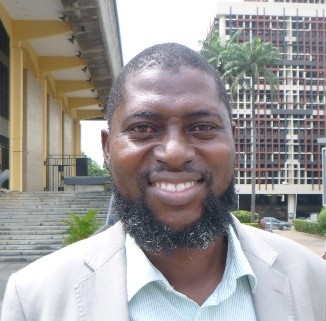
Manoeuvring Between Urbanity and Climate Change: The Way for AfricaProf. Kolawole Olonade The African continent remains the global epicentre of rapid urbanisation, with projections that it will add over 1 billion people to its current population of 1.5 billion by 2050. Significant materials would be required to build the grossly deficient infrastructure needed to support the population; consequently, the Net-zero target becomes more of a mirage than a reality. Strategic manoeuvring is required to harness indigenous materials and knowledge alongside modern materials science. This is the thrust of this lecture. CV Dr Olonade is an expert in cement and concrete. He pioneered the use of cassava peel ash as a cement replacement in concrete, earning him the German-African Innovation Incentive Award from the German Government in 2018. He has built the first-ever concrete structure made from cassava peels. He is the pioneer recipient of the Nigerian Academy of Engineering Research Grant as well as the Royal Society International Exchanges Award and International Networks Grant for the SDGs, funded by the Royal Society London and the Swedish Government, respectively. He has been a Guest Scientist at the Bundesanstalt für Materialforschung und -prüfung (BAM), Berlin, Germany, and at the University of São Paulo, Brazil. He is a Fellow of the Nigerian Society of Engineers, a Fellow of the Nigerian Institution of Water Engineers and a Fellow of the Nigerian Institution of Civil Engineering. He has been an active Senior Member of RILEM since 2013 and was recently elected as Regional Convener of RILEM for Sub-Saharan Africa. In 2020, he founded the Society of Cement and Concrete Researchers in Nigeria (SCCRIN) and serves as its President. He is the Lead for the LC3Naija Project Dr Olonade is an Associate Professor in the Department of Civil and Environmental Engineering of the University of Lagos. He recently concluded a two-year national assignment in Uganda as a Technical Aid Corps Volunteer at Kampala International University, serving as a Senior Lecturer in the Department of Civil Engineering and as Deputy Director in the Directorate of Research, Innovation, Consultancy and Extension at the university's Western Campus. He is an Expert Advisor to UNDP on Low-Carbon Materials within the ACP-EU Development Minerals Programme sponsored by the European Union and implemented by UNDP. 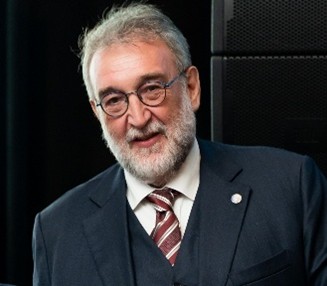
Sustainable Road Pavement Materials: Still-Open Issues and Emerging ChallengesProf. Gabriele Tebaldi The field of road pavement materials is currently facing major challenges related to their integration into a circular economy framework (e.g., which materials can be recycled within asphalt mixtures without reducing performance or compromising recyclability). At the same time, several unresolved issues remain in commonly used materials (e.g., how to properly assess damage levels for efficient maintenance planning). CV Gabriele Tebaldi is Associate Professor at the Department of Engineering and Architecture, University of Parma, and Visiting Research Professor at the Department of Civil and Environmental Engineering, University of New Hampshire. He was awarded Fellowships by RILEM and the Association of Asphalt Pavement Technologists. He serves as Editor-in-Chief of Road Materials and Pavement Design and as Associate Editor of Materials and Structures. His research activity focuses on road pavement materials, with particular emphasis on asphalt mixtures, recycled and sustainable materials, pavement performance, and durability. His work addresses both experimental characterization and performance-based design, with special attention to circular economy principles. Within RILEM, he is Chairman of the Technical Committee Performance-Based Asphalt Recycling and serves as an Expert in the Technical Activities Committee. He is a former President and member of the Steering Committee of the European Asphalt Technology Association, and former President and member of the Board of Directors of the International Society for Asphalt Pavements. 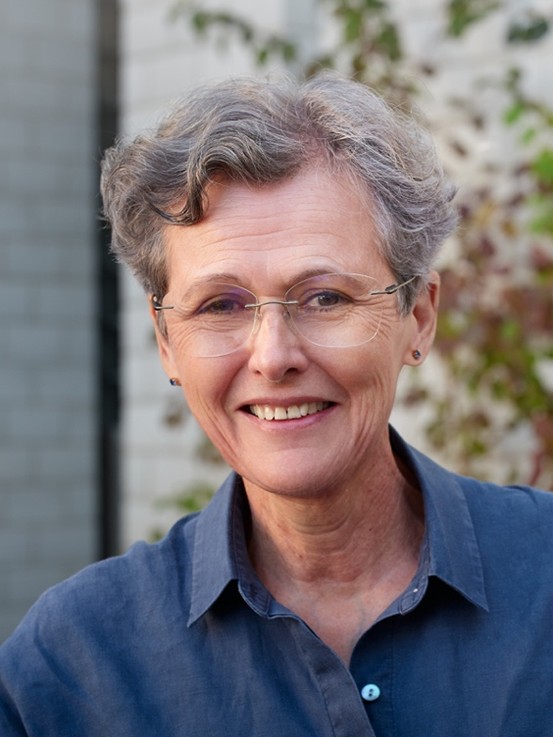
Best in class technologies to decarbonize constructionProf. Karen Scrivener The use of cement worldwide is at a turning point. After decades where intense growth in China leading to a dramatic increase in consumption. The need is now shifting to other developing countries notably Africa. At the same time the need to avoid climate change makes the need to reduce CO2 emissions increasingly urgent. I will illustrate how deployment of “Best in Class” technologies can decouple increasing demand for building materials from increasing emissions. Two technologies are key: first increasing use of calcined clay, which is particularly abundant in Africa, in contrast to limestone deposits which are very localized. Second use of concrete blocks. Concrete blocks have a very low carbon footprint and this can be further reduced by use of calcined clay. Blocks also carbonate relatively rapidly, further lowering their embodied carbon after only a few years. Looking forward, increasing use of precast components can be a leapfrog approach, ensuring better quality on site and potential reuse. CV Karen Scrivener: obtained her PhD at Imperial College in 1984. She worked for Lafarge in France for 6 years, before being appointed Professor and Head of the Laboratory of Construction Materials, at EPFL, Switzerland in 2001. In 2003 she founded the research network Nanocem bringing together the leading Industrial companies (Cement and admixtures) with European academic institute to do research on Cementitious Materials. Her research focusses on the understanding the chemistry and microstructure of cement based materials and improving their sustainability. In 2008, she came up with the idea for LC3 cement, this material has the potential to cut CO2 emissions related to cement by more than 400 million tonnes a year. She was made a fellow of the UK Royal Academy of Engineering in 2014. 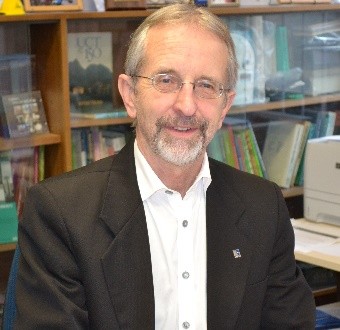
Calcined clays for sub-Saharan AfricaProf. Mark Alexander Many sub-Saharan African (SSA) countries lack good quality SCMs for use in concrete construction. With the growing demand for more sustainable construction binders and resource minimisation, the focus is shifting to calcined clays as an excellent SCM for SSA. This presentation will present these opportunities and also discuss some of the challenges inherent in this technology for SSA. CV Mark Alexander is Emeritus Professor of Civil Engineering and a Senior Research Scholar in the University of Cape Town (UCT), and Distinguished Professor in the Indian Institute of Technology (Madras), Chennai, India. He has been an academic and researcher since the early 1980s, teaching at the University of the Witwatersrand and at the University of Cape Town (UCT). He teaches and researches in cement and concrete materials engineering relating to design and construction, with interests in concrete durability, service life design and prediction, concrete sustainability, repair and rehabilitation of concrete structures, performance-based-approaches, low-carbon cements and recycled aggregates. He has considerable expertise and knowledge on use of construction materials in the southern African and broader contexts. His work has an emphasis on basic science and engineering of these materials, and on characterisation of local and regional concrete materials. 
Service Life Prediction of RC Structures under Combined Environmental and Load ActionsProf. Xiang-Lin Gu The volume of existing RC structures is constantly increasing in China. Predicting the residual service life is of essence to achieve life-cycle maintenance of existing deteriorated RC structures. This keynote first introduces a time-dependent reliability assessment method for corroded RC structures and then presents a serial substructure-based practical system reliability assessment method which integrates structural performance degradation and load effect variation. The practical method enables to predict the residual service life of an existing RC structure. CV Dr. Xiang-Lin Gu is a distinguished professor at Tongji University. He is a chief scientist of China's key research and development plan. He currently serves as the director of the Key Laboratory of Performance Evolution and Control for Engineering Structures, Ministry of Education, and also holds positions such as a member of the International Committee on Structural Analysis of Architectural Heritage, Chairman of the Chinese Chapter of the American Concrete Institute (ACI), Chairman of the Chinese Chapter of the International Union of Laboratories and Testing and Research Institutes for Materials and Structures (RILEM), Deputy Director of the National Steering Committee for Professional Degree Graduate Education, and Vice Chairman of the China Civil Engineering Society. He is mainly engaged in scientific research and teaching in the field of structural performance evolution and control. He has created a design method for predicting the service lives of structures based on time-variant reliability, expanded the theory of the life-cycle design of structures; optimized the simulation and analysis method of the multi-scale failure processes of concrete structures based on the discrete element method, enriched the theory of structural disaster control; proposed a method for overall performance evaluation and functional enhancement of existing structures based on perception information and new structural materials, and perfected the theory of the life-cycle maintenance of structures. He has published 370 peer-reviewed journal papers and 5 academic monographs and consecutively ranked among World’s Top 2% Scientists by Stanford University. 
Roadmaps to Net Zero Carbon Construction through Structural Health Monitoring (SHM)Prof. Su Taylor This talk presents an overview of recent research in structural health monitoring (SHM) aimed at promoting net zero carbon construction with a focus on the FlexiArchTM , a Queen’s University Belfast patented flexible unreinforced pre-cast concrete arch bridge system, and ArchIMEDES, a computer vision deformation monitoring tool to assess structural response. Also results from full-scale tests in a building in Canary Wharf, London, with three very low energy concretes which were monitored up to ULS loading using embedded fibre optic sensors with the prospect of long-term monitoring for the wider impact of reducing carbon in future build and retrofit projects. CV Su Taylor was the first female Professor of Structural Engineering at Queen’s University Belfast (QUB) and currently leads the Intelligent and Sustainable Infrastructure Group. She is a Chartered Engineer and Fellow of the Institution of Structural Engineers and Fellow of the Institution of Engineers Ireland. She is a former Vice President of the international Society for Civil Structural Health Monitoring (SCSHM which was formerly ISHMII) and recent Dean of Research for the Faculty of Engineering and Physical Sciences at Queen’s. Su has many years’ experience in the use of Structural Health Monitoring for intelligent infrastructure and the development of low energy concretes. She has published over 300 papers in top international journals and peer reviewed international conference proceedings. She led research resulting in the world’s first Basalt FRP reinforced concrete bridge deck and the ‘intelligent infrastructure’ work-package of a £5M EPSRC funded research project Towards Net Zero Public Transport. Su is currently leading the development of a floating/sinkable BFRP cellular concrete foundation with embedded fibre optic sensors for off-shore wave renewable energy funded under a €20M EU project ONDEP. 
Performance-based and performance-informed asphalt binder and mixture specificationsProf. Eshan Dave Majority of asphalt materials used around the globe and specifically in Africa are specified and constructed using volumetric measures. This approach results in a disconnect between actual in-place pavement performance and the required construction and quality targets. This presentation will focus on readily available tools to use performance-based material specifications for asphalt binders and mixtures to improve pavement longevity and lower costs associated with inferior performance to premature failures CV Eshan Dave is Professor of Civil and Environmental Engineering and Graduate Program Coordinator at the University of New Hampshire in United States. He is a Fellow of RILEM and the author of over 150 journal papers. His research focuses on improving the resilience of pavement infrastructure through the use of performance-oriented design and analysis coupled with use of life cycle assessment to make adaptation decisions. He received his bachelor’s degree in civil engineering from the Sardar Patel University of India in 2001 and his MS and PhD from the University of Illinois in 2003 and 2009 respectively. He is convener of the cluster F of RILEM and member of the RILEM Bureau. 
Valorisation of Gypsum and Phosphogypsum Resources in Africa for Sustainable ConstructionProf. Mohammed Sonebi This contribution explores the strategic valorisation of natural gypsum and phosphogypsum (PG) to address Africa’s growing demand for sustainable building materials. While natural gypsum remains a staple, the accumulation of PG presents significant environmental challenges due to acidic and radioactive impurities. The study characterises these materials and evaluates viable conversion routes, specifically focusing on soil stabilisation, brick manufacturing, and industrial plaster. By reviewing regional case studies, the research highlights how tailored regulatory frameworks can transform industrial waste into a resource. Ultimately, the paper advocates for circular economy practices to bolster infrastructure development across the African continent. CV Professor Mohammed Sonebi is Professor of Sustainable and Structural Materials in the School of Natural and Built Environment at Queen’s University Belfast, UK. He is an internationally recognised expert in sustainable construction materials, with research spanning low-carbon and low-energy concrete, self-compacting concrete, bio-based and waste-derived materials, 3D printing, grouting and rheology, durability, and structural health monitoring. Professor Sonebi is a Fellow of RILEM, where he served as Regional Convenor for the Middle East and North Africa (MENA) and Chair of Technical Committee TC-266 on rheological properties of cement-based materials, in addition to contributing to numerous other RILEM committees. He is also a Fellow of the American Concrete Institute (ACI) and the Institute of Concrete Technology (ICT/UK), having served as Vice-Chair of ACI Committee 552 (Cementitious Grouting) and as a voting member of several ACI, ASTM, fib, and ISHMII committees. 
Bridging the Gap: Translating Low-Carbon Concrete from Research to Practice in AfricaDr. Alice Titus Bakera Africa continues to experience a gap between progress in cement and concrete decarbonization research and their practical application in construction. This gap is not due to technical limitations but rather to disconnects between research, practice, and institutional capacity. Using a real startup case that transitions from laboratory work to real-world deployment, this keynote illustrates how factors such as scale, cost, regulation, and local capacity only become apparent during implementation. It emphasises that full decarbonization requires shifting focus from isolated technological innovations to demonstration projects, local validation, and system-wide integration of efforts. CV Dr. Alice Titus Bakera is a Lecturer at the University of Dar es Salaam (UDSM), Tanzania and a former Postdoctoral Researcher at the École Polytechnique Fédérale de Lausanne (EPFL), Switzerland. She holds a BSc in Civil and Structural Engineering from UDSM and MSc and PhD degrees from the University of Cape Town (UCT), South Africa. In parallel with her academic role, Dr. Bakera founded and leads Kijani Impact Co. Ltd., the LC3 precast concrete plant applying low-carbon cement technologies to local manufacturing and housing delivery, providing direct experience at the interface of research, production, and market implementation. Her work revolve around the the development and assessment of low carbon cementitious binders, the durability and service life performance of concrete infrastructure, and the scaling of these innovations into real construction practice in Africa. She is committed to ensuring that research outcomes become practical, market ready solutions to the continent’s construction challenges. Dr. Bakera is an active member of RILEM and Cement & Concrete South Africa (CCSA). She is strongly committed to capacity building, industry–academia collaboration, and advancing resilient, climate-friendly construction practices in emerging economies. 
Would urbanizing with structural bio-based materials save carbon?Dr. Hisham Hafez Numerous studies have concluded that bio-based materials are lower carbon options for urban building construction while disregarding resource availability and harvesting emissions. This keynote evaluates low-carbon concrete in comparison to structural engineered bio-based materials and stabilized earth blocks for three issues: embodied carbon, material supply limitations and production scalability. Bio-based materials could only supply <14% of global demand due to limited forest area within assumed conditions of sustainable harvesting yields and while overcoming significant logistical and social barriers. CV Hisham is a post-doctorate research fellow at the University of Leeds specialized in performance-based environmental impact assessments of building materials with a focus on low-carbon concrete. For the past 2 years, he has been leading the concrete technology and life cycle assessment research work packages on the United Kingdom Research Institution (UKRI) funded projects TransFIRe and Eureka. His expertise combine applied research methods in the low-carbon building materials area and industrial experience in the African market. In 2013 and 2017 respectively, Hisham was among the core team members of two Egyptian start-ups. Karm Solar, currently the largest private energy provider in the MENA region and Hand Over Projects, a turn-key sustainable buildings solution provider specialised in natural building materials. 
Towards Future Bio-Based Construction Materials: From Plant Resources to Low-Carbon Multifunctional Structures?Prof. Sofiane Amziane This contribution focuses on geopolymer matrices reinforced with locally sourced plant fibres from Eldoret Kenya. The keynote provides the scientific foundation, multi-scale challenges and societal impact of bio-based and mineral–vegetal composite materials, with a particular emphasis on their relevance for sustainable construction in African and global contexts. CV Sofiane Amziane is the Founder and main organizer of the International Conference on Bio-Based Building Materials (ICBBM), launched in Clermont-Ferrand in 2015 and now a leading global event in the field, with recent editions in Belfast (2019), Barcelona (2021), Vienna (2023), and Rio de Janeiro (2025). He also actively contributes to international scientific communities, particularly within RILEM, where he chaired Technical Committee 236-BBM on bio-based building materials. Author of numerous scientific articles, book chapters, and edited volumes, his work focuses on the multiphysical performance, durability, and environmental impact of bio-based concretes, with the ambition to integrate them widely into sustainable construction practices. 
Downscaled Testing of Long‑term Behaviour of New BindersProf. William Wilson New binders based on local raw materials and by‑products can substantially reduce embodied CO2 while improving the service life of concrete structures, but their long‑term behaviour remains difficult to assess within short testing durations. This keynote presents our recent efforts to downscale test methods to cement paste and micro‑mortar scales for evaluating resistance to deleterious ions (such as chlorides, sulfates, and alkalis), integrating work from RILEM TC 298‑EBD together with collaborative and original research conducted in several laboratories. Depending on the objectives and material availability, identical specimen geometries have been employed for both pastes and micro‑mortars with sand particles below 2 mm (i.e., 30-35 mm diameter by 45-60 mm length cylinders and 20 mm cubes). On the one hand, paste‑scale testing accelerates the detection of degradation mechanisms (such as layered sulfate‑induced expansion on 2 mm discs), while enabling detailed microstructural characterization throughout exposure by techniques such as SEM‑EDS and XRD. On the other hand, micro‑mortars allow mechanical, transport, and microstructure‑stabilization measurements using very small binder quantities, while preserving aggregate‑paste interfaces, as in concrete. CV William Wilson is an associate professor at the Centre of Excellence for Low-Carbon Concrete and the Department of Civil and Building Engineering at the Université de Sherbrooke. His research focuses on three main topics: (1) developing low-carbon clinkers and binders, such as clinkers produced with microwaves and calcined clays as supplementary cementitious materials, (2) multiscale engineering and production of eco-efficient concretes, including chemomechanical characterization, particle packing optimization, low-clinker concrete and digitization of concrete production, and (3) understanding and predicting the durability of new cementitious systems through analyses of microstructure, ion transport and interactions. He is the chair of the RILEM Technical Committee 298-EBD and a member of RILEM TC 312-PHC and TC 324-SDM. 
How rheology shapes our knowledge of concrete: insights from plastic cracking and 3D printingDr. John Temitope Kolawole Rheology provides a unified framework for understanding early-age concrete behaviour. In plastic settlement and shrinkage, cracking results from an imbalance between gravity/evaporation-induced stresses and the material’s rheological ability to relax them, governed by yield stress, viscosity, and structural build-up. In 3D printing, these same parameters characterise flow, shape stability, and layer stacking and bonding. This keynote, drawing on plastic cracking and 3D printing as references, demonstrates that concrete performance depends on time-dependent rheology, which continuously shapes our understanding of evidence-based mechanisms and control of early-age behaviour. CV Dr John Kolawole is an Assistant Professor in Structural Engineering at the University of Birmingham, UK, where he specialises in sustainable construction materials and applied rheology. Before this, he was a Vice Chancellor Independent Research Fellow at Loughborough University, UK. With over 15 years of experience in cement science and concrete technology, his expertise spans across integrating waste materials into cement matrices, carbon sequestration, functional materials, rheology of binder systems, concrete durability, and 3D concrete printing. His research bridges materials science and sustainable construction. In his former role as a materials and rheology specialist, he contributed to the world’s pioneering and UK-leading consortium advancing 3D concrete printing (3DCP) technology, underpinning the world’s first 3D-printed cantilevered bus canopy. His work also uncovered scientific discovery regarding the origins of anisotropy of printed concrete, providing rheology-based observations into performance issues. Given concrete’s common plastic shrinkage problem in tropical and arid regions, such as Sub-Saharan Africa, John completed his TWAS-funded PhD at Stellenbosch University in South Africa. He investigated the role of rheology in the plastic cracking of early-age concrete, developing a rheo-physics framework for concrete settlement/shrinkage cracking and establishing a novel rheological testing method – his work received four prominent awards. John began his career as an academic at Obafemi Awolowo University in Nigeria, where he conducted research on valorising local waste streams as supplementary cementitious materials. Currently, he is an active member of RILEM's Technical Committees. 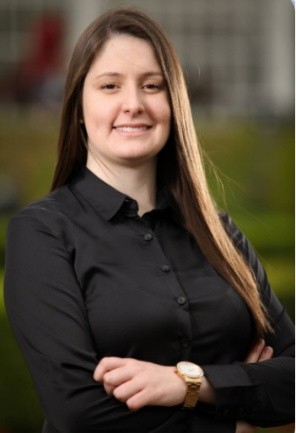
Brazilian clay resources for low-carbon ternary cementsProf. Laura Silvestro This presentation focuses on the use of low-grade kaolinitic clays within low-carbon cement systems. It provides a comprehensive assessment of clay resources available in southern Brazil for application in ternary cements based on calcined clay and limestone filler. The investigation encompasses the evaluation of mechanical performance and preliminary durability-related results, while also exploring research opportunities related to rheological behavior and interactions between calcined clays, chemical admixtures, and biobased polymers. These aspects are highlighted as key pathways to enhance performance and broaden the applicability of sustainable cementitious systems. CV Laura Silvestro is professor in the undergraduate and graduate programs in Civil Engineering at the Federal University of Technology – Paraná (UTFPR), Brazil. Her research focuses on the rheological behavior of cementitious materials and the development of alternative low-carbon cements with reduced environmental impact. She is scheduled to undertake a postdoctoral fellowship in 2026 under the supervision of Dr.-Ing. Wolfram Schmidt at the BAM Federal Institute for Materials Research and Testing (Germany), funded by the Alexander von Humboldt Foundation. The project, entitled “FlowCarb – Flowability of low-carbon cement suspensions with biobased polymers”, aims to advance the understanding of fresh-state behavior in sustainable cement systems. She serves on both the Organizing and Scientific Committees of the Brazilian Cement Symposium (SBCC) and is a member of the Cement Working Group of the National Association of Built Environment Technology (ANTAC, Brazil). In addition, she is actively involved in Technical Committee CT 205 – Nanomaterials for Concrete Applications of the Brazilian Concrete Institute (IBRACON, Brazil), where she coordinates a working group dedicated to investigating the hydration and microstructure of cementitious materials incorporating nanomaterials. She currently serves as Associate Editor of the Journal of Materials in Civil Engineering and Advances in Cement Research. She has authored or co-authored over 60 peer-reviewed journal articles and 36 conference papers. 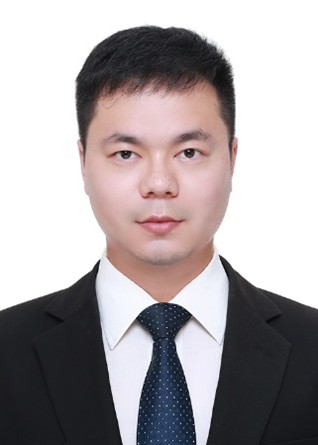
How Steel Reinforcement Corrosion Affects Failure Mode and Bearing Capacity of RC StructuresProf. Chao Jiang Corrosion is usually non-uniformly distributed in RC structures. How steel reinforcement corrosion affects failure mode and bearing capacity of RC structures? This keynote first introduces the mechanical property degradation of corroded steel reinforcements as corrosion propagates. Then, the corrosion-induced failure mode change and bearing capacity degradation of RC members will be discussed. Subsequently, the flexural stiffness of corroded RC members will be presented. Finally, the effects of spatial corrosion non-uniformity on force redistributions of corroded RC frames will be analyzed. CV Dr. Chao Jiang is now an Associate Professor at Tongji University. Prior to joining Tongji, he had worked as a postdoctoral fellow for two years in Department of Civil, Environmental and Architectural Engineering, University of Colorado at Boulder, USA. His research interest is performance evolution and control of concrete structures under the combined actions of environment, load and fire, in order to ensure the life-cycle safety of engineering structures. He has revealed the carbonation mechanism of concrete under concurrent environmental and load actions, the evolution mechanism of the bearing capacity of corroded concrete structures under sequential environmental and load actions, and the high-temperature thermo-hygro-mechanical-chemical coupling response mechanism of carbonated concrete under sequential environmental and fire actions. A framework for predicting and evaluating the performance evolution of concrete structures under the combined effects of common environment, service load and sudden fire has been established. As PIs, Dr. Jiang has led four national-level research projects and two provincial-level talent projects. He has published 39 SCI-indexed papers and 21 EI-indexed papers and the research results have been adopted by four standards and one monograph. Dr. Jiang has delivered two Keynote Lectures in fibCACRCS 2025 and EuroCivil 2024, respectively. He serves as an editor of ENGINEERING Structure and Civil Engineering (ESCE), the Civil Engineering Edition of the series journals of Chinese Academy of Engineering (CAE) and active members of RILEM, fib, IALCCE, IAFSS, ASCE, etc. He has won the First Prize of Shanghai Natural Science (ranked 3rd), the Best Paper Award of CAS Q1 Top Journal of Engineering Structures (ranked 1st), and the First Prize of Huaxia Construction Science & Technology (ranked 9th). 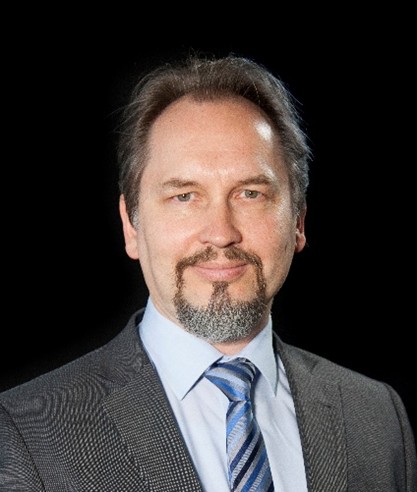
CARE – Climate-Neutral And Resource-Efficient ConstructionProf. Viktor Mechtcherine The construction sector faces major challenges, including high resource consumption, significant CO₂ emissions, low productivity, and labor shortages, requiring a fundamental transformation toward sustainable and efficient practices. The EXC CARE cluster addresses this by developing innovative low-carbon materials, new design principles, and advanced digital and automated manufacturing technologies, integrated through digital methodologies and sustainability frameworks. These efforts aim to enable climate-neutral, resource-efficient construction while improving productivity and delivering practical, scalable solutions in close collaboration with industry. CV Prof. Viktor Mechtcherine has been a Professor and the Director of the Institute for Construction Materials at TUD Dresden University of Technology in Germany, since 2006. He is a member of the German National Academy of Science and Engineering and the Science Academy of Saxony. Furthermore, he is a RILEM Fellow and has been honored with the Wason Medal for Materials Research by the American Concrete Institute (ACI) and Innovation Awards from both bauma and fib. Prof. Mechtcherine is also Editor of the Journals “Cement and Concrete Composites” and “Sustainable Cement-Based Materials”, and as well as Chair of RILEM TC 304-ADC "Assessment of Digitally Fabricated Concrete Materials and Structures". He is Speaker of the Cluster of Excellence CARE – Climate-neutral and resource-efficient construction” funded by the German Research Foundation (DFG) and well as Speaker of the DFG Priority Program SPP 2005 „Opus Fluidum Futurum – Rheology of reactive, multiscale, multi-phase construction materials“ and DFG Research Training Group GRK 2250 „Mineral-bonded composites for enhanced structural impact safety“. Finally, he is Steering Committee Member in the DFG Collaborative Research Centers TRR 339 “Digital twin of the road system – Physical-informational representation of the future road system” and TRR 280 “Design strategies for material-minimized carbon reinforced concrete structures – Principles of a new approach to construction”. 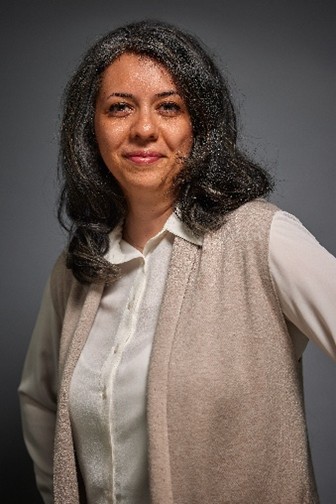
When Single Activation Is Not Enough: How Activation Effects Interact with MineralogyProf. Arezou Baba Ahmadi The effectiveness of activation depends not only on energy input, but on how different minerals accommodate disorder. This talk shows that combined thermo‑mechanochemical activation becomes relevant when single activation routes interact weakly with the mineralogical framework, leading to disruption pathways that do not emerge under thermal or mechanical treatment alone. Enhanced reactivity is observed when activation aligns physical refinement with mineral‑specific modes of collapse and fragmentation, rather than when activation intensity is increased indiscriminately. CV Arezou Baba Ahmadi is Associate Professor at Chalmers University of Technology, where she leads the Building Materials research area. Her work focuses on low-carbon cementitious materials, with emphasis on activation methods and the use of industrial by-products. She believes research should be fundamentally sound, industrially relevant, and accessible to students, and designs interdisciplinary courses that reflect this approach. In RILEM, she serves as Deputy Chair of TC-MCA and working group leader in TC-CUC and TC-UMW. |